Falling is not the problem. Being unprepared is.
Start Here:
Check Your Balance & Fall Risk
Not sure where to begin?
The Fall-Proof Scorecard helps you understand your balance, strength, and fall readiness in just a few minutes.
Latest Content
Learn where to look while walking for better balance and safety, why looking a few steps ahead can help, and when to look down for obstacles.
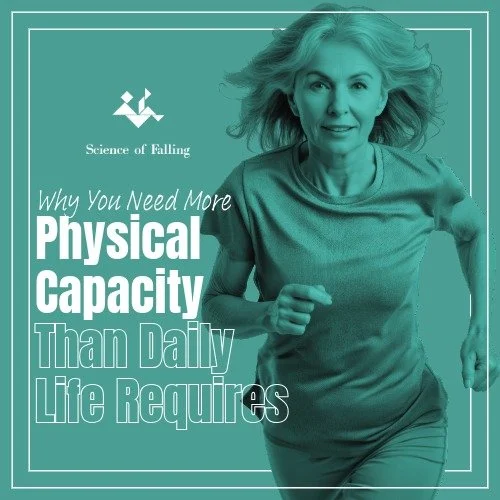
Walking speed, grip strength, chair stands, and balance can reveal clues about physical capacity. Learn why building reserve matters for falls and independence.
George Eyser won six Olympic gymnastics medals in 1904 with a wooden leg. His remarkable story reveals lessons about balance, adaptation, and human movement.
Can older adults learn safer falling skills? See what research says about fall training, motor learning, fear of falling, and building better responses when balance is lost.
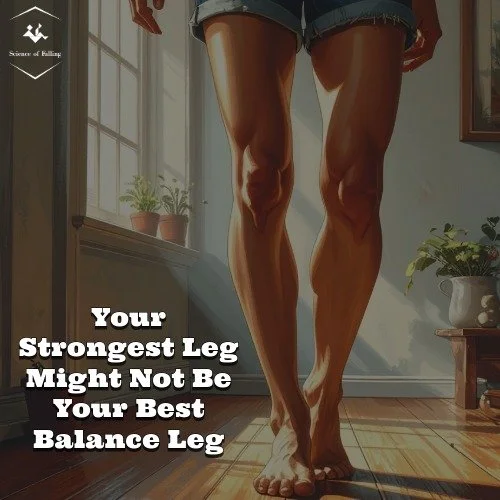
Your strongest leg isn't always your best balance leg. Learn why leg strength, dominance, and balance can differ, and what that means for assessing fall risk
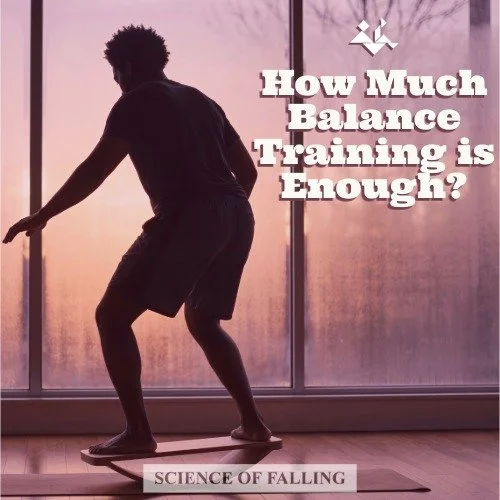
Learn how often and how long to train balance, why short sessions can improve balance, and why reducing fall risk may require about 50 total hours.
Fall prevention can reduce risk, but it can’t eliminate every fall. Learn how fall preparedness helps people prevent, recover from, safely manage, and recover after falls.
Can virtual reality improve balance and reduce fall risk? Discover what current research says about VR, rehabilitation, balance training, and fall prevention.
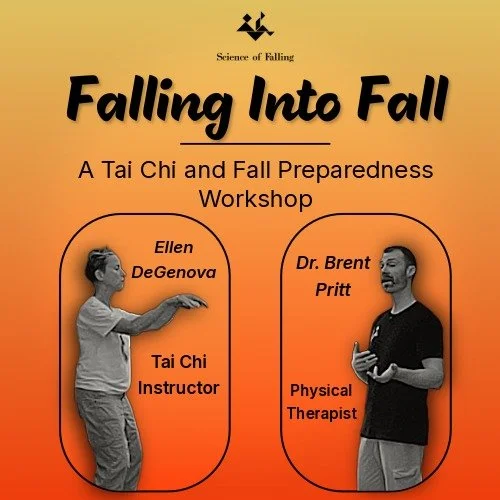
Watch the Cambridge Tai Chi and fall preparedness workshop with Ellen DeGenova and Brent Pritt. Learn balance training, safer falling principles, and practical ways to prepare for falls.
Analyze real-world falls involving a gate trip, slippery hill, wet stairs, and an elite cricket catch. Learn why these falls happened, how they could have been prevented, and practical strategies to improve balance, movement, and fall recovery.
Analyze real sports falls in basketball, baseball, gymnastics, and boogie boarding to learn how balance, technique, and safe falling can help prevent injuries.


Instagram @science_of_falling
Can landing quietly reduce impact forces? Discover how one simple movement cue changes landing mechanics and helps your body absorb force more gradually.