
Speaking
Bring a New Perspective on Falls to Your Audience
I’m Dr. Brent Pritt, PT, DPT, a physical therapist, educator, and founder of Science of Falling.
I speak about falls, balance, aging, strength, and Fall Preparedness - a broader approach that looks beyond simply preventing every fall and asks how we can help people become more capable before, during, and after one occurs.
My goal is to take complicated ideas and make them practical, understandable, and useful for the people in the room.
Whether I’m speaking with older adults, caregivers, healthcare professionals, senior-living communities, or organizations, I want people to leave thinking differently about falls and knowing what they can do next.
A Practical, Engaging Approach
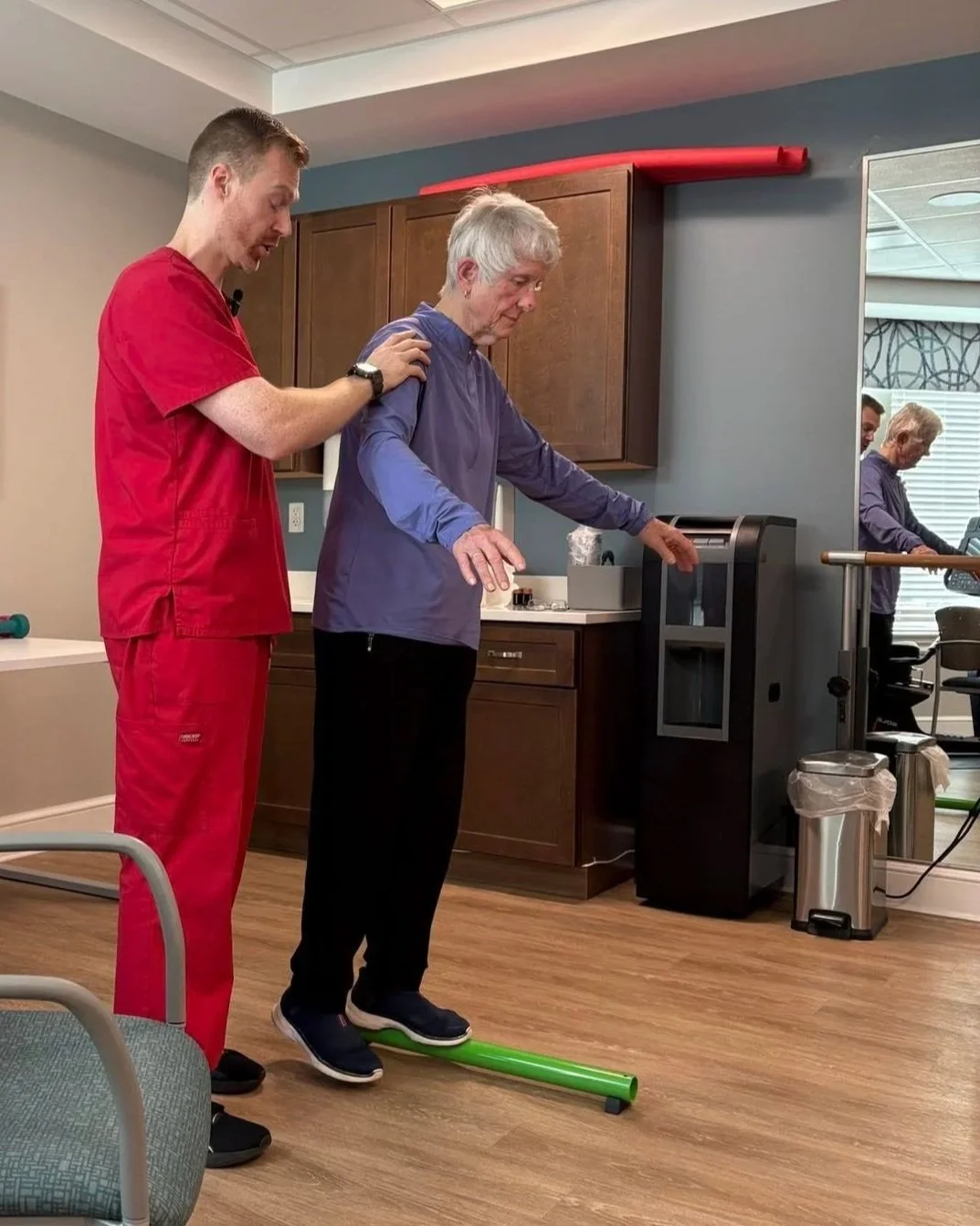
Practical. Engaging. Built for Real People.
I’m a physical therapist, but I don't want my presentations to feel like someone reading a textbook from the front of the room.
I use real-world examples, demonstrations, stories, research, audience questions, and practical takeaways to help people understand why something happens, not simply memorize another list of fall-prevention tips.
Depending on the setting, presentations can include:
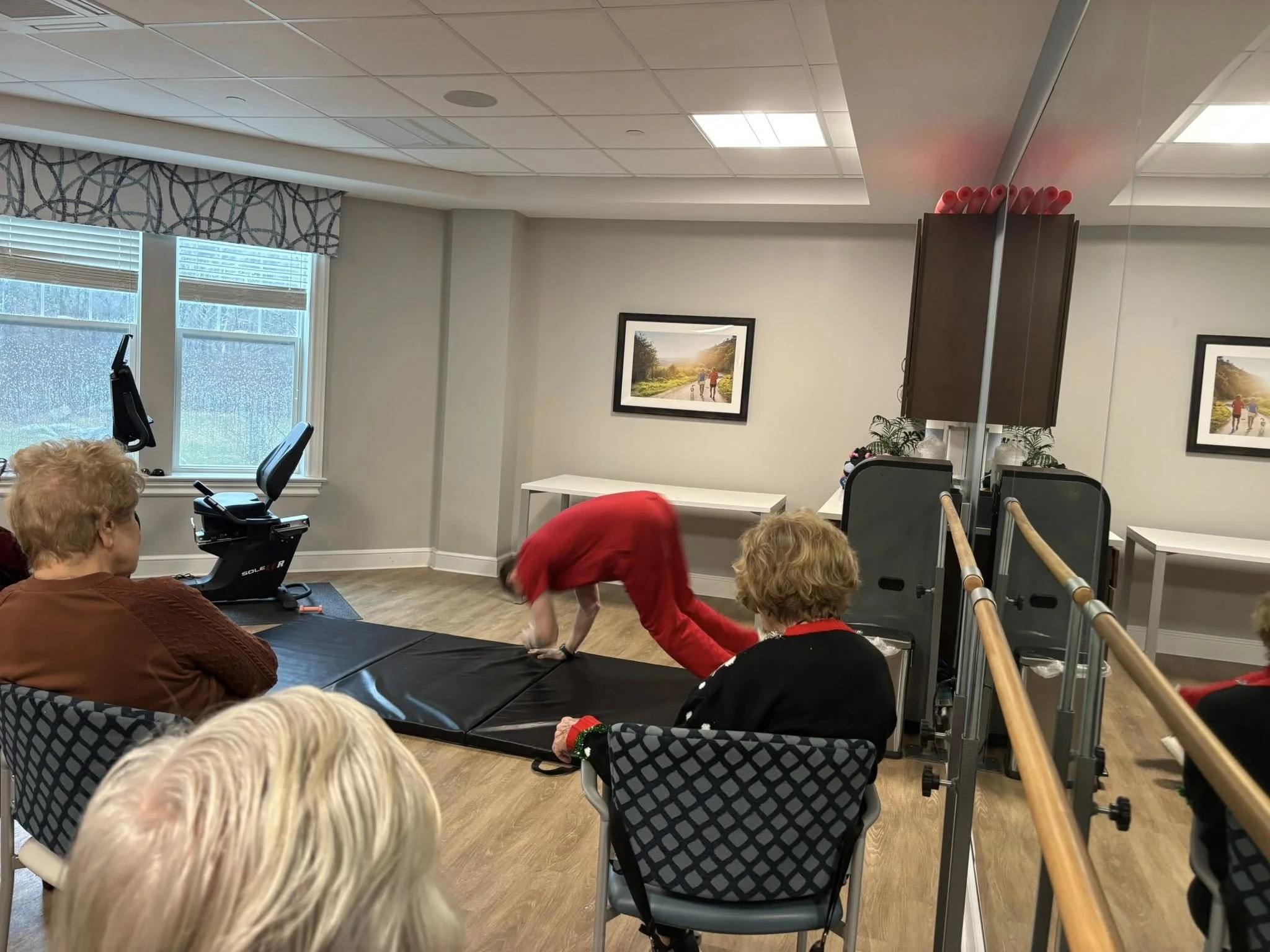
interactive demonstrations
balance and movement activities
real-world fall scenarios
audience participation
case examples
Science of Falling Interactive Labs
visual demonstrations
Q&A
take-home educational resources
Every presentation can be adjusted for the audience, setting, available time, and goals of the organization.
Built for Different Audiences
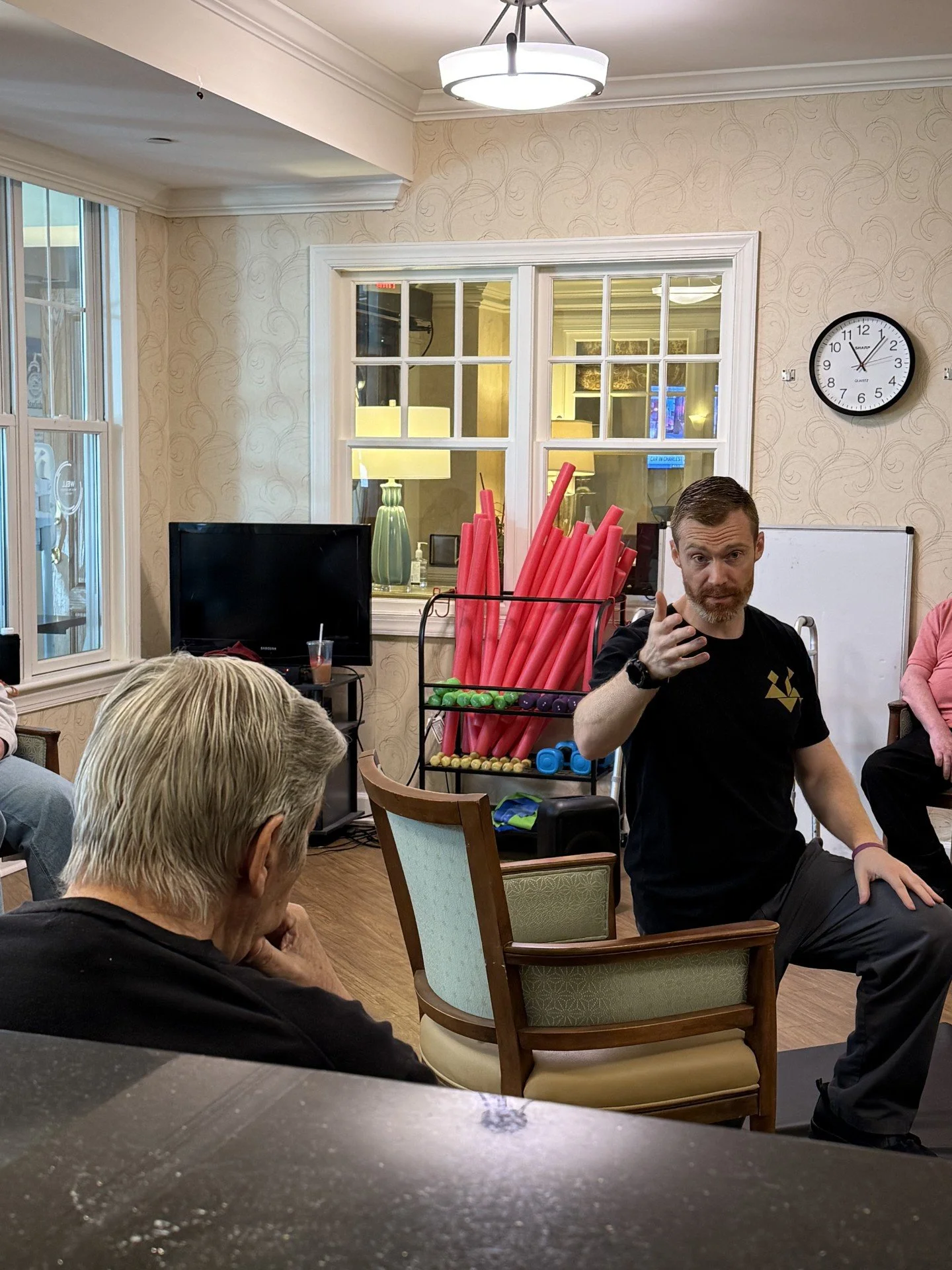
Science of Falling presentations can be adapted for the people in the room, whether that means a community group hearing these ideas for the first time or a professional audience looking for a deeper dive.
I speak with:
Senior centers
Assisted living communities
Independent and senior living organizations
Community groups
Older adults and caregivers
Healthcare professionals
Physical and occupational therapy audiences
Aging and longevity organizations
Conferences
Staff education programs
Nonprofit organizations
Companies and professional groups
The goal is the same in every setting: make the information clear, practical, and relevant to the audience in front of me.
Presentation Types
Fall Preparedness
Fall Preparedness: A Broader Approach to Falls
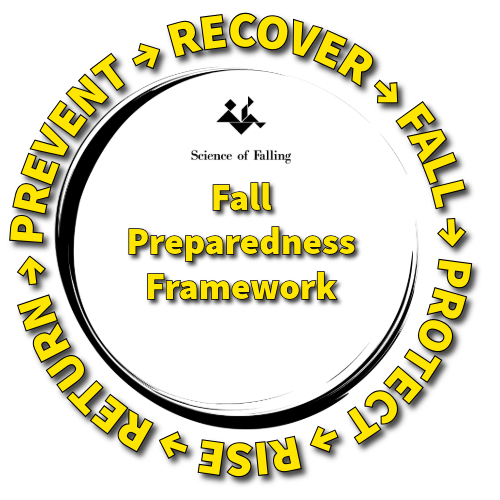
Preventing falls remains important.
But falls are complex, and prevention is only one part of being prepared for them.
The Science of Falling Fall Preparedness Framework looks at the larger picture: the physical abilities, knowledge, behaviors, environments, and responses that can influence what happens before a fall, during the fall itself, and afterward.
This is my most comprehensive presentation and can explore all six components of Fall Preparedness, how they interact, and where traditional fall-prevention strategies fit within the larger framework.
The depth can be adapted to the audience, from an accessible introduction to a more detailed professional presentation.
Best suited for: conferences, professional audiences, staff education, healthcare organizations, senior-living organizations, workshops, and groups looking for a deeper approach to falls.
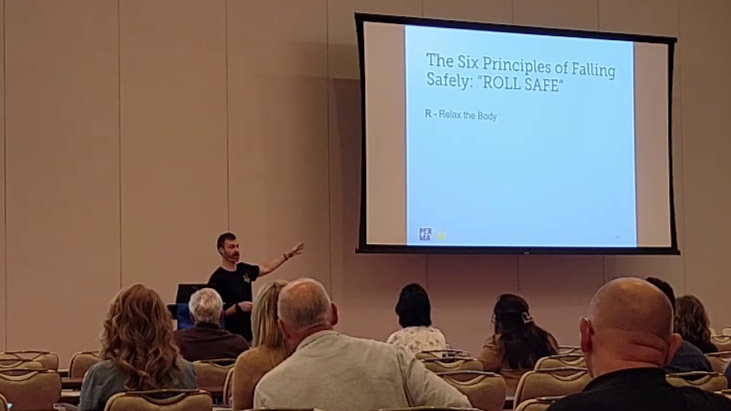
See Brent Speak
Example of Brent presenting fall-safety education to a professional audience.
The Falling Continuum
Pre-Fall → Falling → Post-Fall
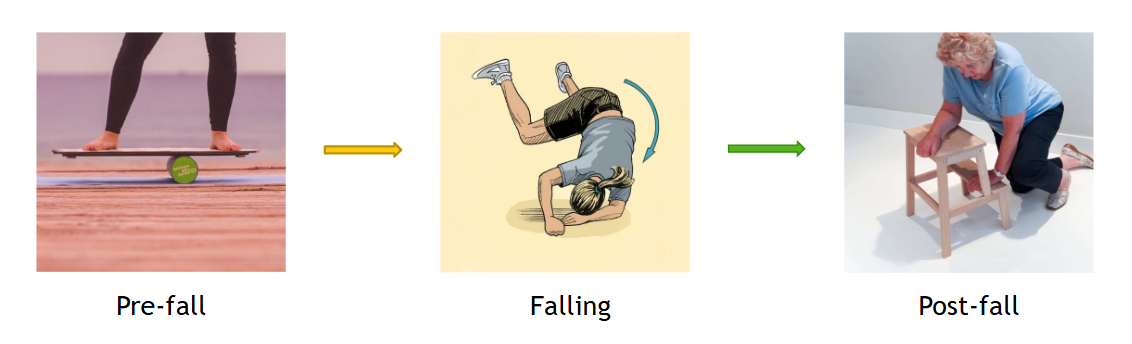
The Falling Continuum provides a simple way to understand Fall Preparedness by dividing the experience of a fall into three stages.
Instead of looking only at how to stop a fall from happening, we ask three questions:
What can we do before a fall?
What can we do when a fall is already happening?
What should we know and do after someone reaches the ground?
This approach works especially well for community audiences because it makes a complicated topic easier to understand without oversimplifying it.
The Falling Continuum can be delivered as:
a standalone presentation
a longer interactive workshop
or a three-part series, with one session devoted to each stage
Best suited for: senior centers, assisted living and senior living communities, community groups, caregivers, older adults, and public education programs.
ROLL SAFE
What Do You Do When Prevention Has Already Failed?

Most fall education focuses on avoiding the fall.
ROLL SAFE focuses on a different question:
What happens when the fall has already begun?
This presentation explores practical concepts related to falling, protecting the body, reacting during a fall, assessing the situation afterward, getting help, and making safer decisions once someone is on the ground.
The goal is not to suggest that every fall can be controlled.
It is to help people better understand an event that is often discussed only in terms of prevention.
ROLL SAFE can be presented on its own or incorporated into a broader Fall Preparedness program.
Balance Education
Balance Is More Than Standing on One Foot
Balance isn't a single ability.
It depends on the interaction between the brain, vision, sensation, the vestibular system, strength, movement, attention, and the environment around us.
Balance-focused presentations break those systems down into concepts people can actually understand and apply.
Topics can include:
how the brain uses sensory information for balance
why balance changes in the dark or on unstable surfaces
vision and walking
strength and reaction time
balance confidence
common misconceptions about balance training
practical ways to challenge balance safely
Balance presentations can be adapted for community education, professional audiences, or staff training.
Presentation Example
An example of Brent's approach to explaining balance concepts in an approachable, practical way.
Fall Breakdown
Learning From Real Falls
One of the most engaging ways to understand falls is to slow them down and examine what actually happened.
Fall Breakdown uses real-world fall scenarios to explore the factors surrounding a fall and what we can learn from them.
Depending on the scenario, a breakdown might examine:
environmental factors
body position and movement
balance
decision-making
fall reactions
protective responses
injury mechanisms
post-fall response
opportunities for prevention and preparedness
The goal is not to criticize the person who fell. It is to use the event as a learning opportunity.
This same scenario-based teaching style has also been adapted for custom educational and staff-training programs for organizations.
Watch a Fall Breakdown
See how a real fall can become a practical teaching tool.
Custom Presentations & Training
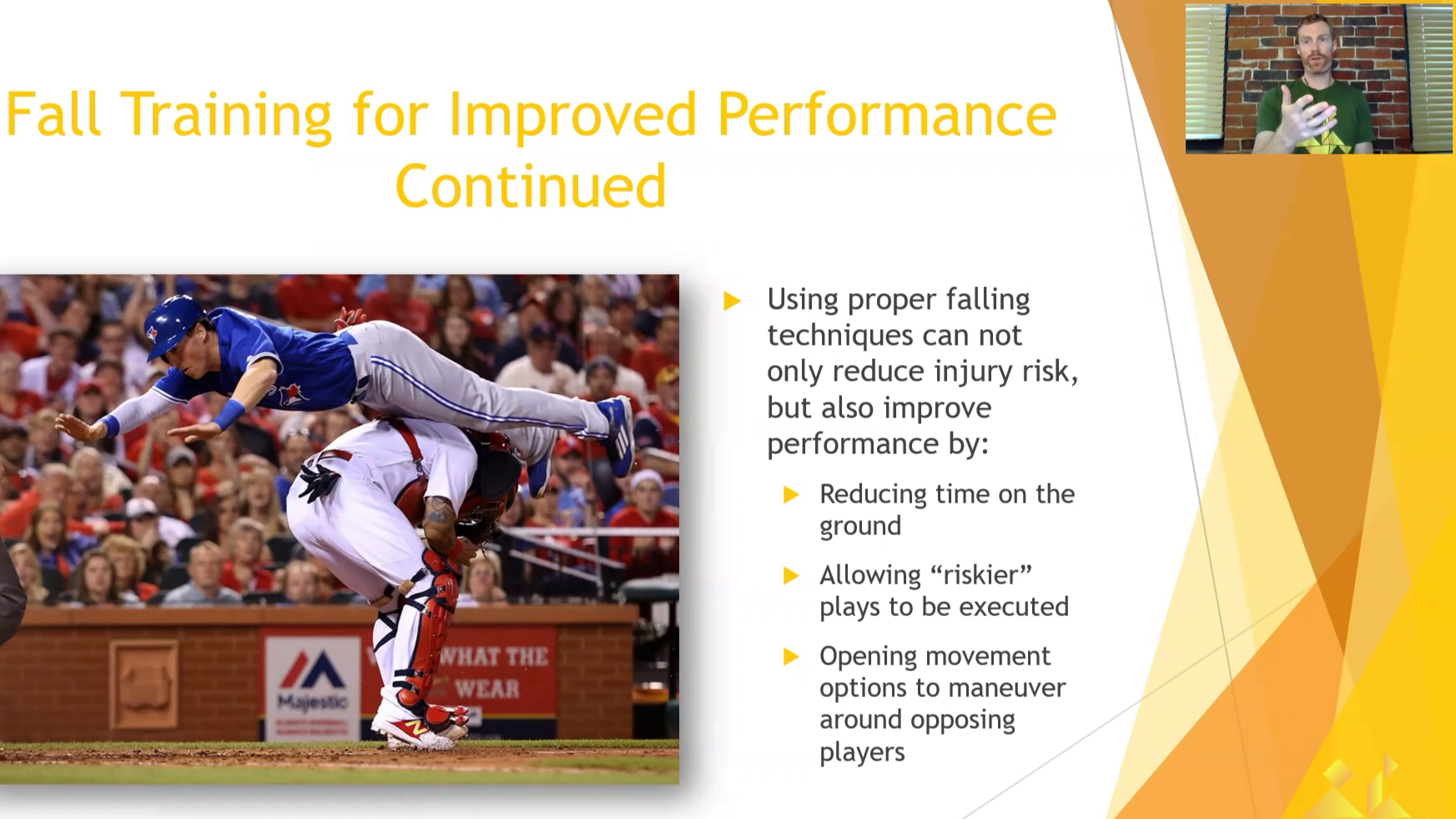
Not every audience needs the same presentation.
Topics can be adapted or combined to create education around areas such as:
Fall Preparedness
balance
strength
aging
fall reactions
ground recovery
mobility
performance
sensory systems
walking safety
resilience
caregiver education
staff training
Custom projects can range from a single presentation to:
multi-part educational series
staff training
workshops
conference presentations
recorded educational content
scenario-based Fall Breakdown training
custom video education
companion educational materials
If you have a specific audience or problem you're trying to address, I can build around it.
Bring Science of Falling to Your Organization
If you're planning a conference, community presentation, staff education program, senior-center event, workshop, or another event focused on falls, balance, aging, or physical capability, I'd love to hear what you're working on.
Tell me:
who your audience is
what type of event you're planning
what you'd like people to learn
and how much time we have together
From there, we can choose an existing Science of Falling presentation or build something that fits your audience.
Brent Pritt, PT, DPT, CSCS
Founder, Science of Falling