
What If Falling Is a Movement Problem, Not an Aging Problem?

Essential Points:
Falling isn't just about getting older, it’s often a movement-capacity problem. While aging can affect your body, your risk of falling is more closely tied to how well your strength, balance, mobility, power, endurance, and adaptability match the demands of daily life.
The six movement abilities that keep you upright can all be trained. Building strength, reacting quickly, improving balance, maintaining mobility, increasing endurance, and practicing adaptability can all help you move with greater confidence and reduce fall risk.
Your future movement is influenced more by what you practice than by your age. You can't stop the aging process, but you can continually improve how your body moves, making it possible to stay active, independent, and resilient for years to come.
Prefer to listen? Here’s a quick audio breakdown with a few extra insights:
As many of my readers know, I work in assisted living communities as a physical therapist. That means I often hear the same familiar explanation whenever someone struggles to do something, “I’m just getting old.”
And the truth is, age does matter.
When you live longer, you give diseases and chronic health conditions more time to accumulate. Processes such as sarcopenia, natural age related muscle loss, can gradually reduce muscle mass and strength. Your joints may become stiffer, your reactions may slow, and you may not feel the same need to push your physical limits that you did when you were younger.
But you don’t magically become weak and start falling the moment you turn 65.
I’ve worked with people in their seventies who needed a hoyer lift to get out of bed. Think of it as a small crane used to lift someone who cannot safely stand. I’ve also worked with people in their nineties who could deadlift 100 pounds. I even once worked with a 103-year-old who was still walking daily with a walker. Quite impressive by any standard.
Age may influence what happens to your body, but the year on your birth certificate doesn’t tell the whole story. It simply can’t.
That’s why I often tell my patients my favorite line:
It’s not only how many years you’ve lived. It’s what you’ve done with those years.
So, is falling really an aging problem?
Not entirely.
Aging can affect the systems that help you remain upright, that much is true, but you don’t fall simply because you’re old. Many falls happen when your movement ability doesn’t meet the demands of the situation.
Maybe you can’t produce enough force to stand back up. Maybe you can’t move a foot quickly enough to catch yourself. Maybe you can’t bend far enough to clear an obstacle, maintain your balance while turning, or continue walking safely once you become tired.
From that perspective, falling is not just an aging problem.
It’s what I call a movement-capacity problem. So let’s talk about the exact areas of movement that you need to maintain to prevent a large number of falls as you age.
Strength
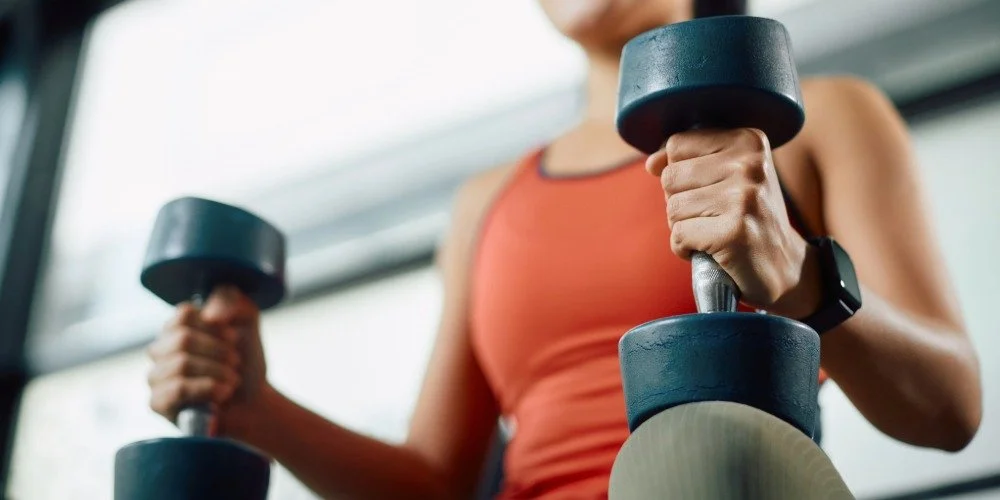
Strength is your ability to produce force, and maximal strength is your ability to produce that force one time.
You need it to rise from a chair, climb a step, control yourself while sitting down, support your body on one leg, and push through the ground while walking. Functionally, it’s quite important.
Strength also gives you what’s called a larger physical reserve. As you get stronger, the ceiling for what you can do rises. What was once a 100% effort becomes only a 25% effort after gaining strength.
Standing up from a chair may require only a fraction of a strong person’s maximum strength. For someone who is weaker, perhaps sitting in a wheelchair long term, that same movement may demand nearly everything they have.
That leaves very little room for error if your strength ceiling is low.
If the chair is lower than expected, the ground is uneven, or you begin to lose balance, there may not be enough strength left to adjust to the harder demands.
Muscle weakness is consistently associated with an increased risk of falling in older adults. (1) But weakness is not an unavoidable consequence that must simply be accepted. You can still gain meaningful strength through properly designed resistance exercise.
You may lose strength with age, but strength remains trainable, and even gainable with the proper stimulus.
Power
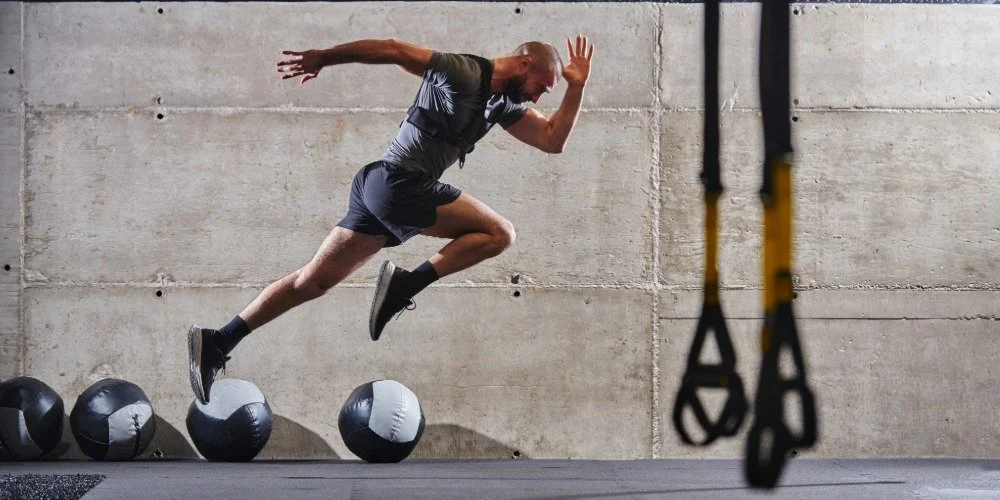
Strength tells us how much force you can produce, while power tells us how quickly you can produce it.
That distinction matters because falls happen fast, usually before you even really know they’re happening.
When you trip over a curb, you do not have five seconds to carefully place your foot in front of you. Your body must recognize the problem, step out quickly, place the foot, and generate enough force to stop your momentum within a fraction of a second. This sequence of events is called a stepping reaction, and it requires you to produce force quickly.
A person may be strong enough to perform a slow squat but still struggle to produce force quickly when balance is suddenly lost.
Research suggests that lower-body muscle power may be even more closely related to everyday falls than strength alone. (2) After all, they work together.
Training power does not mean that every older adult needs to perform complicated Olympic lifts. When appropriate and performed safely, it can begin with something as simple as standing from a chair with more speed, stepping quickly in different directions, or climbing stairs with purpose.
Sometimes preventing a fall is not about how strong you are.
It is about how quickly you can use that strength.
Balance
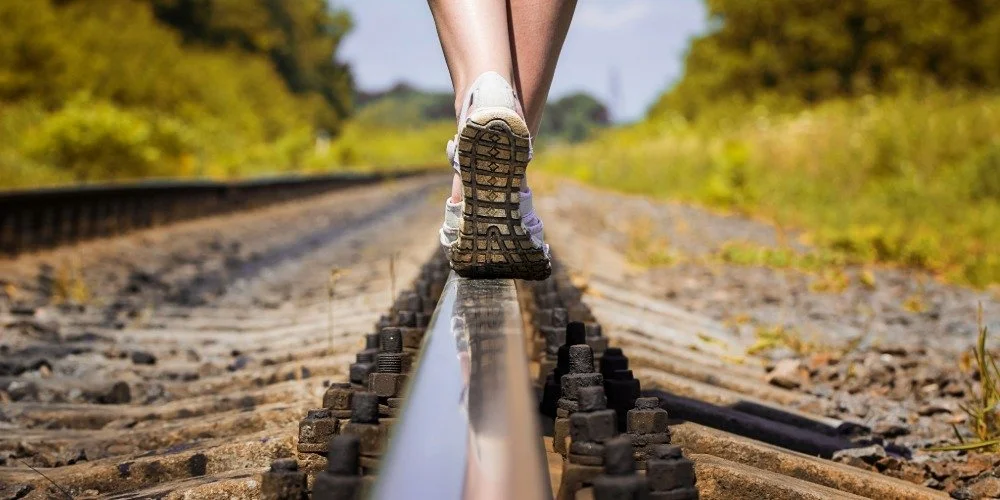
Balance is not just the ability to stand perfectly still. Rather, it’s the ability to continually control your body in any position that is necessary without falling to the ground. This can also be termed postural control.
Even while you are quietly standing (standing still), your nervous system (brain and spinal cord) is collecting information from your eyes, inner ears, muscles, joints, and skin. Your brain interprets that information and sends corrections throughout the body.
This process continues when you walk, bend, reach, turn, step over something, or move across an uneven surface.
Good balance, in my opinion, is adaptable balance.
Standing with your feet together may challenge one part of the system, but daily life also requires you to shift your weight, change direction, move your head, respond to distractions, and recover when something does not go as planned.
Exercise programs that meaningfully challenge balance have been shown to reduce falls in community-dwelling older adults, particularly when performed consistently and in sufficient amounts. (3) The trick is balance is very situation specific. If you have trouble turning, you must work on turning.
Balance improves when you ask the body to balance in the ways that you need daily.
Walking alone is valuable, but it may not fully prepare the system for all the situations in which balance is threatened.
Mobility
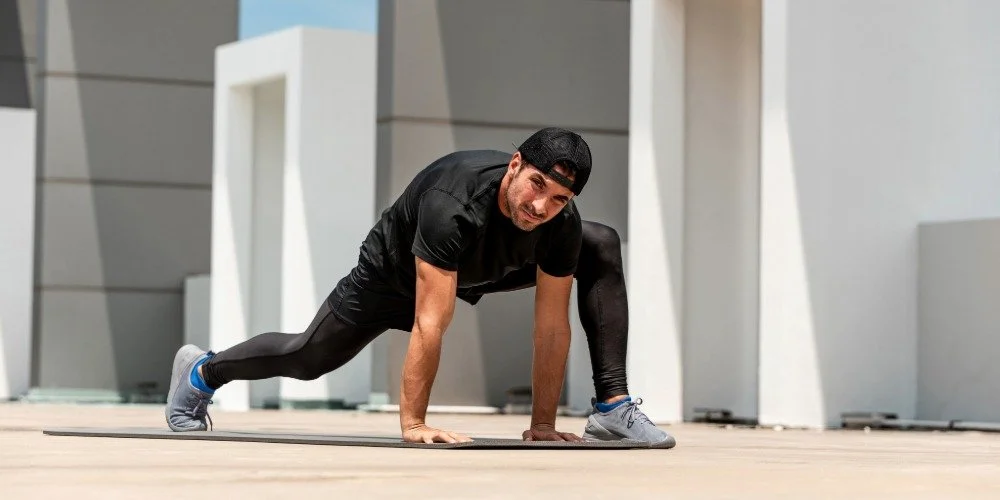
Mobility is the movement available at your joints and throughout your body that is under your control. In simpler terms, mobility is how much range of motion you can reasonably control in your body.
You need enough ankle motion to move your body over your foot while walking. You need enough hip and knee motion to take a useful step, clear an obstacle, and lower yourself under control. You need enough movement through the trunk to turn, reach, and adjust your center of mass.
More flexibility is not always better, and stretching alone will not prevent every fall. After all, you can be Gumby, yet if you can’t control the movement, you will still fall over.
But when movement becomes severely limited, the body has fewer options.
A stiff ankle may shorten your step. Limited hip movement may make it harder to recover your balance. Reduced trunk movement may cause the body to turn as one rigid unit rather than adjusting naturally to the environment.
An effective fall-prevention plan should therefore establish a good base of strength and balance, while also increasing the usable movement needed to perform everyday tasks. Research examining foot-and-ankle exercise suggests that targeted training can improve strength, mobility, balance, and other fall-related movement outcomes, although evidence that it directly reduces falls remains limited. (4)
The goal is not to become a circus contortionist.
The goal is to maintain enough usable movement to interact with and traverse the world safely.
Endurance

Most falls do not happen during a perfectly controlled balance test. They happen in real life, while doing real activities.
They happen after walking through a grocery store, climbing a flight of stairs, working in the yard, getting up several times during the night, or trying to finish a task while tired.
Fatigue changes how you move.
Steps may become shorter. Feet may not clear the ground as well. Upright posture may transform into slouching. Reactions may become slower, and tasks that were manageable at the beginning of an activity can become much more difficult near the end.
Endurance gives us the ability to maintain the quality of our movement over time.
Walking, cycling, swimming, and other forms of aerobic activity can help, but endurance should also be specific to your life. Someone who wants to walk through a large store needs to practice walking for meaningful periods, especially in crowded places. Someone who becomes exhausted after repeatedly standing should gradually build tolerance to repeated standing.
Exercise can improve your overall physical function, including the capacity needed to keep moving and participating in daily activities. (5)
It’s not enough to move well for 30 seconds in a PT clinic. You need to maintain that movement long enough to live your life.
Adaptability

The world is highly unpredictable.
Sidewalks crack and become tripping hazards. Dogs run in front of us seemingly trying to take us down. Someone stops suddenly in a crowded hallway, oblivious to you right behind them. The lights are low and you can’t see the mass of kids toys along your path. The ground changes from concrete to wet grass, the perfect scenario for slipping. You turn your head while walking and don’t see the open manhole in your walking path.
Safe movement requires more than repeating the same exercise in the same environment.
It requires adaptability in a wide variety of scenarios.
Adaptability is the ability to change a step, alter direction, adjust speed, move around an obstacle, or recover when the original movement plan no longer works.
This may be one of the most overlooked areas of fall prevention.
Traditional exercises often take place in quiet, predictable environments. Real falls usually involve surprises, loud distracting sounds, and busy visual environments.
Research on gait-adaptability training suggests that practicing adjustments while walking can reduce falls and potentially prevent fall-related injuries in community-dwelling older adults. (6)
You can’t predict every obstacle you will encounter, but you can train the body to become better at responding to the unexpected.
Final Thoughts: Movement Is the Common Thread

So, in reality, falling is much more complicated than just getting old.
Vision, medications, pain, cognition, blood pressure, neurological conditions, home hazards, and many other factors can influence fall risk. No responsible fall-prevention approach should pretend that movement solves every part of the problem.
But movement connects many parts of the problem, or at very least gives you a supportive base to build from.
Strength helps you support and raise your body. Power helps you react quickly. Balance helps you control your position. Mobility gives you options. Endurance helps you maintain performance. Adaptability helps you respond when the world doesn’t cooperate.
Age can gradually challenge every one of these abilities as the years go on. An unlucky string of disease, injury, forced inactivity, fear, and poor environments can challenge them even further.
But these abilities are not determined by your age alone. They are shaped by what you repeatedly ask your body to do.
That may be the most encouraging part of viewing falls as a movement problem.
Movement can be assessed. Movement can be practiced. Movement can be improved. You can be better.
You can’t stop yourself from getting older. But you can influence how much movement ability you carry with you into those later years.
So maybe instead of asking yourself, “Am I too old to do this?”, you ask yourself, “What movement ability am I missing, and how can I begin rebuilding it?”
That may be one of the most important keys to reducing your risk of falling as you age.
What’s Your Fall Risk Score?
Most people don’t notice their balance declining until something goes wrong.
This 10-minute self-assessment will show you:
• How stable your balance really is
• Where you're most at risk (strength, coordination, or falling ability)
• What to focus on first
No equipment. No guesswork. Just clear answers.
References
Moreland JD, Richardson JA, Goldsmith CH, Clase CM. Muscle weakness and falls in older adults: a systematic review and meta-analysis. J Am Geriatr Soc. 2004;52(7):1121-1129. doi:10.1111/j.1532-5415.2004.52310.x
Simpkins C, Yang F. Muscle power is more important than strength in preventing falls in community-dwelling older adults. J Biomech. 2022;134:111018. doi:10.1016/j.jbiomech.2022.111018
Sherrington C, Michaleff ZA, Fairhall N, et al. Exercise to prevent falls in older adults: an updated systematic review and meta-analysis. Br J Sports Med. 2017;51(24):1750-1758. doi:10.1136/bjsports-2016-096547
Schwenk M, Jordan EDH, Honarvararaghi B, Mohler J, Armstrong DG, Najafi B. Effectiveness of foot and ankle exercise programs on reducing the risk of falling in older adults: a systematic review and meta-analysis of randomized controlled trials. J Am Podiatr Med Assoc. 2013;103(6):534-547. doi:10.7547/1030534
Valenzuela PL, Saco-Ledo G, Morales JS, et al. Effects of physical exercise on physical function in older adults in residential care: a systematic review and network meta-analysis of randomised controlled trials. Lancet Healthy Longev. 2023;4(6):e247-e256. doi:10.1016/S2666-7568(23)00057-0
Nørgaard JE, Jorgensen MG, Ryg J, et al. Effects of gait adaptability training on falls and fall-related fractures in older adults: a systematic review and meta-analysis. Age Ageing. 2021;50(6):1914-1924. doi:10.1093/ageing/afab105